
Best Laptop For 3D Printing – 10 Laptops For 3D Rendering In 2023

 Welcome to the ultimate guide for finding the best laptop for 3D printing in 2023! If you’re passionate about 3D rendering and printing, you understand the pivotal role a suitable laptop plays in your creative journey. No need to fret; I’ve got you covered.

Mục lục hiện

I dedicated 40 hours to extensive research and testing, evaluating seven top-of-the-line laptops for their performance, processing power, graphics capabilities, and overall value for money. It wasn’t an easy task, but I did it to ensure you receive the most reliable and trustworthy recommendations.

In this blog post, you’ll discover laptops that stand out in the world of 3D printing. These laptops were meticulously chosen to provide you with an outstanding 3D rendering experience without breaking the bank. No need to empty your wallet; with one of these options, you can bring your 3D designs to life right from the comfort of your home.

If you’re looking for the best gaming laptop and don’t mind investing a bit more, we recommend the Acer Predator Helios 300 Gaming Laptop.

Are you prepared to find your ideal laptop companion for 3D printing and rendering? Let’s dive in and explore these powerful machines that will elevate your creativity to new heights!

This laptop is well-equipped for gaming and more, boasting a powerful Intel i7-11800H processor and 32GB DDR4 3200MHz of RAM. Additionally, it features an NVIDIA GeForce RTX 3060 GPU.

Best Laptop For 3D Printing

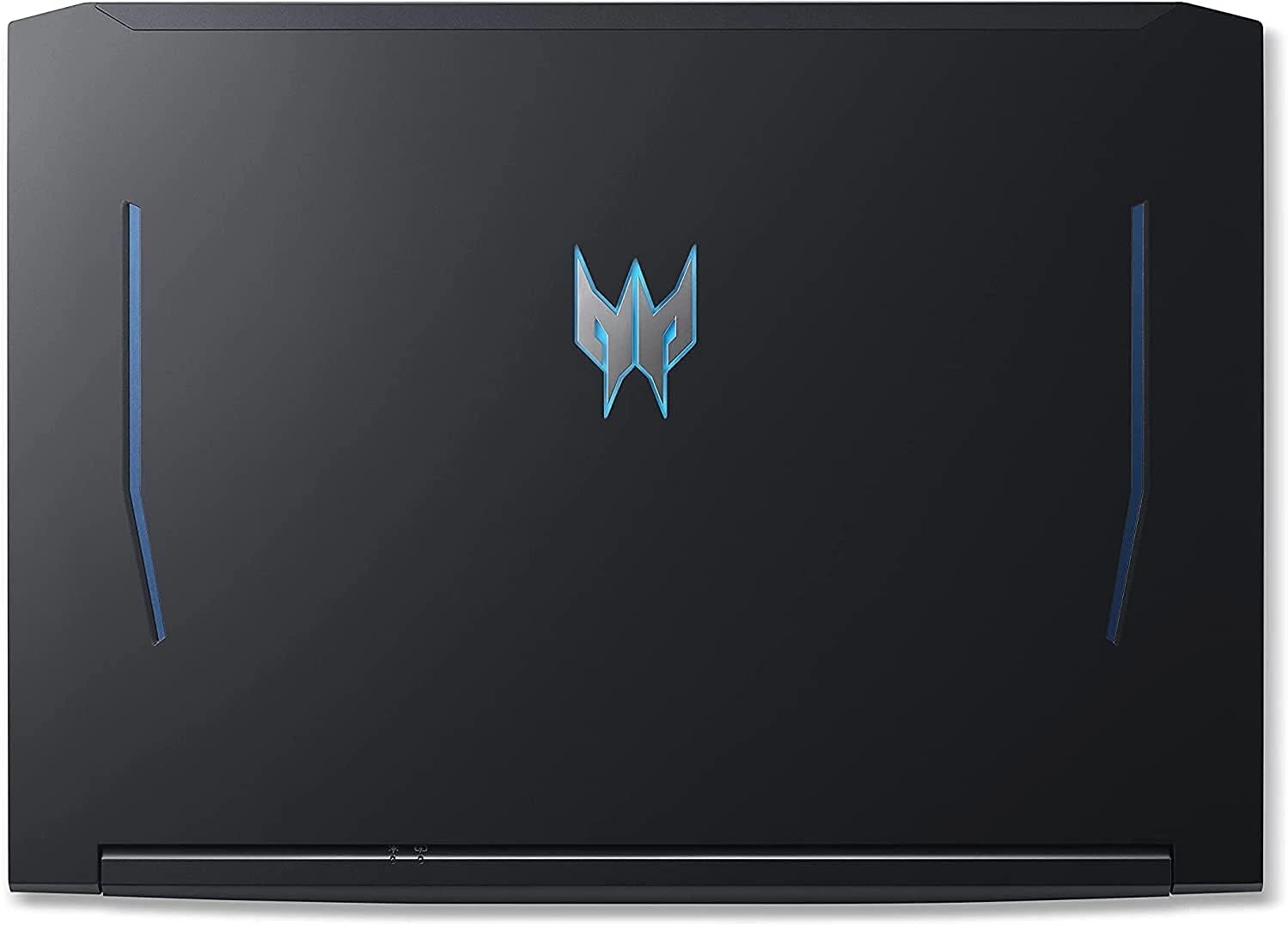
1. Acer Predator Helios 300 Gaming Laptop

The Acer Predator Helios 300 Gaming Laptop stands as a potent and feature-rich gaming laptop meticulously crafted to provide an exceptional gaming experience while capably managing demanding tasks such as 3D rendering. Boasting a high-performance processor, a dedicated graphics card, and a swift display, this laptop is tailored to meet the requirements of both gamers and creative professionals.

Key Specifications:

  • Display Size: 15.6 Inches
  • Color: Abyss Black
  • Storage: 512 GB NVMe SSD
  • Processor: Core i7-10750H
  • RAM: 16 GB DDR4 2933MHz Dual-Channel
  • Operating System: Windows 10 Home
  • Graphics: NVIDIA GeForce RTX 2060 with 6 GB of dedicated GDDR6 VRAM
  • Aspect Ratio: 16:9
  • Display: 15.6″ Full HD (1920 x 1080) Widescreen LED-backlit IPS display featuring a 144Hz refresh rate, 3ms overdrive response time, 300nit brightness, and 72% NTSC color gamut
Best Laptop For 3D Printing – 10 Laptops For 3D Rendering In 2023

Pros:

  • Robust 10th Gen Intel Core i7-10750H processor boasting clock speeds of up to 5.0 GHz.
  • Overclockable NVIDIA GeForce RTX 2060 graphics with a dedicated 6GB VRAM, ideal for high-quality gaming and rendering.
  • Speedy 15.6″ Full HD IPS display featuring a 144Hz refresh rate and swift 3ms response time, ensuring seamless visuals.
  • 16GB DDR4 RAM, a capacious 512GB NVMe SSD, and an additional hard drive bay, offering room for multitasking and storage enhancements.

Cons:

  • Potential for the laptop to heat up during extended gaming sessions, potentially impacting performance.
  • Some users may perceive the design and build quality as less premium compared to other high-end gaming laptops.
  • Battery life may fall short of meeting extended usage demands without access to a power source.
blank

2. Acer Nitro 5

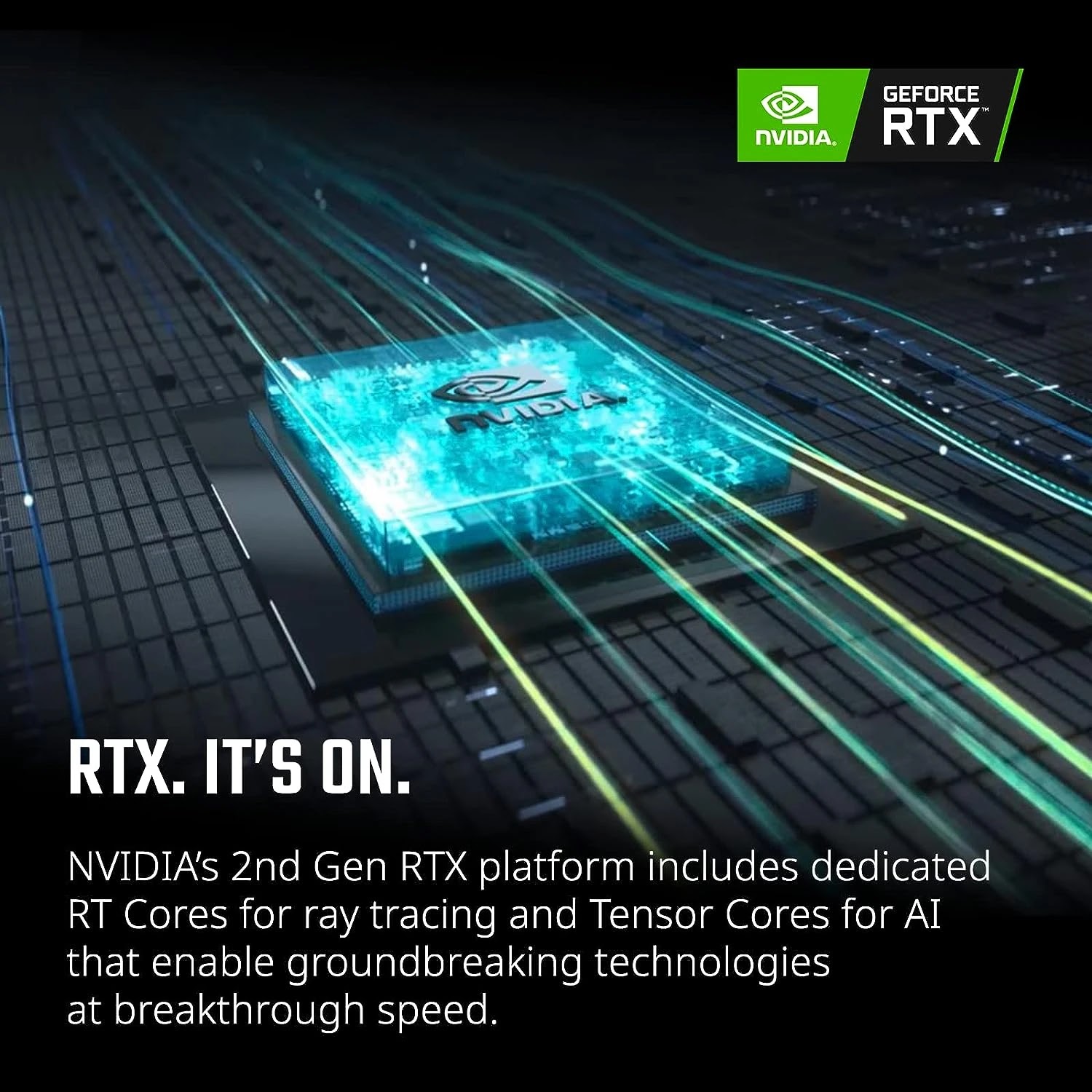
The Acer Nitro 5 is a versatile laptop designed to meet your gaming and rendering needs. It boasts an Intel Core i7-11800H processor and an NVIDIA GeForce RTX 3050 Ti GPU, delivering impressive processing power and graphics performance. Its 15.6″ FHD 144Hz IPS display and 8GB DDR4 RAM ensure a visually pleasing experience and efficient multitasking.

Key Specifications:

Best Laptop For 3D Printing – 10 Laptops For 3D Rendering In 2023
  • Processor: Intel Core i7-11800H
  • Graphics: NVIDIA GeForce RTX 3050 Ti Laptop GPU
  • Display: 15.6″ FHD 144Hz IPS
  • RAM: 8GB DDR4
  • Storage: 512GB NVMe SSD
  • Connectivity: Killer Wi-Fi 6
  • Keyboard: Backlit
  • Operating System: Windows 10 Home Edition
Best Laptop For 3D Printing – 10 Laptops For 3D Rendering In 2023

Pros:

  • Strong performance suitable for gaming and rendering tasks.
  • Enjoyable visuals with a decent 144Hz IPS display.
  • An affordable choice for those with budget constraints.

Cons:

  • Limited RAM and storage capacity compared to some other laptops on the market.
blank

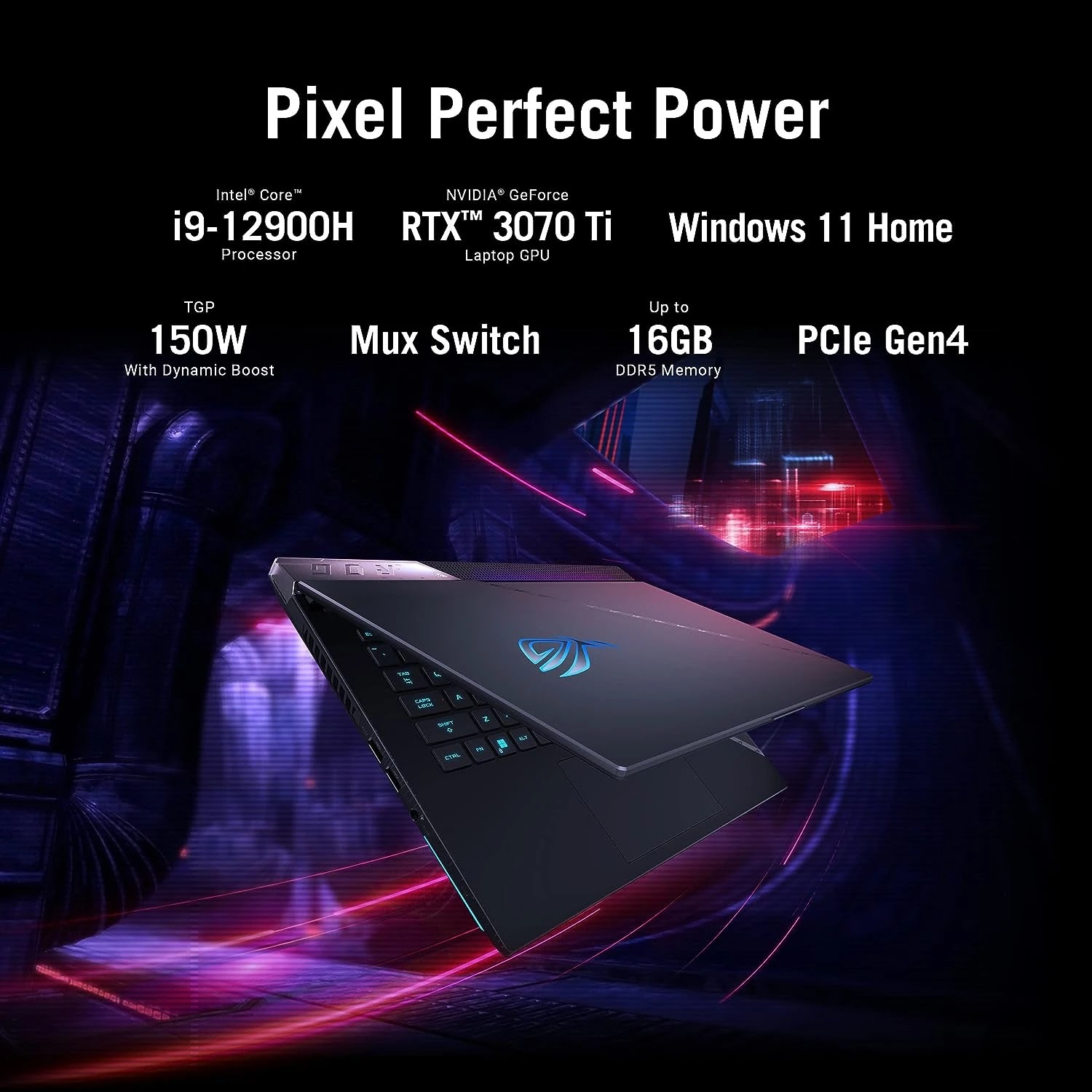
3. ASUS ROG Strix Scar 15 (2022) Gaming Laptop

The ASUS ROG Strix Scar 15 packs a punch with its Intel Core i9-12900H processor and NVIDIA GeForce RTX 3070 Ti GPU. Enjoy a buttery-smooth experience on its 15.6” 300Hz IPS FHD display, backed by 16GB DDR5 RAM and a spacious 1TB SSD. Plus, it runs on Windows 11 Home Edition and stays lightweight for on-the-go use.

Key Specifications:

Best Laptop For 3D Printing – 10 Laptops For 3D Rendering In 2023
  • Intel Core i9-12900H processor and NVIDIA GeForce RTX 3070 Ti GPU for top-tier performance.
  • 15.6” 300Hz IPS FHD display for stunning visuals.
  • 16GB DDR5 RAM and 1TB SSD offer ample power and storage.
  • Portable design weighing under five pounds.
Best Laptop For 3D Printing – 10 Laptops For 3D Rendering In 2023

  Pros:

  • Robust processor and graphics card for intensive tasks.
  • Remarkable 300Hz IPS display for seamless and vivid visuals.
  • Abundant RAM and storage capacity for large-scale projects.

Cons:

  • Comes with a high price tag.
blank

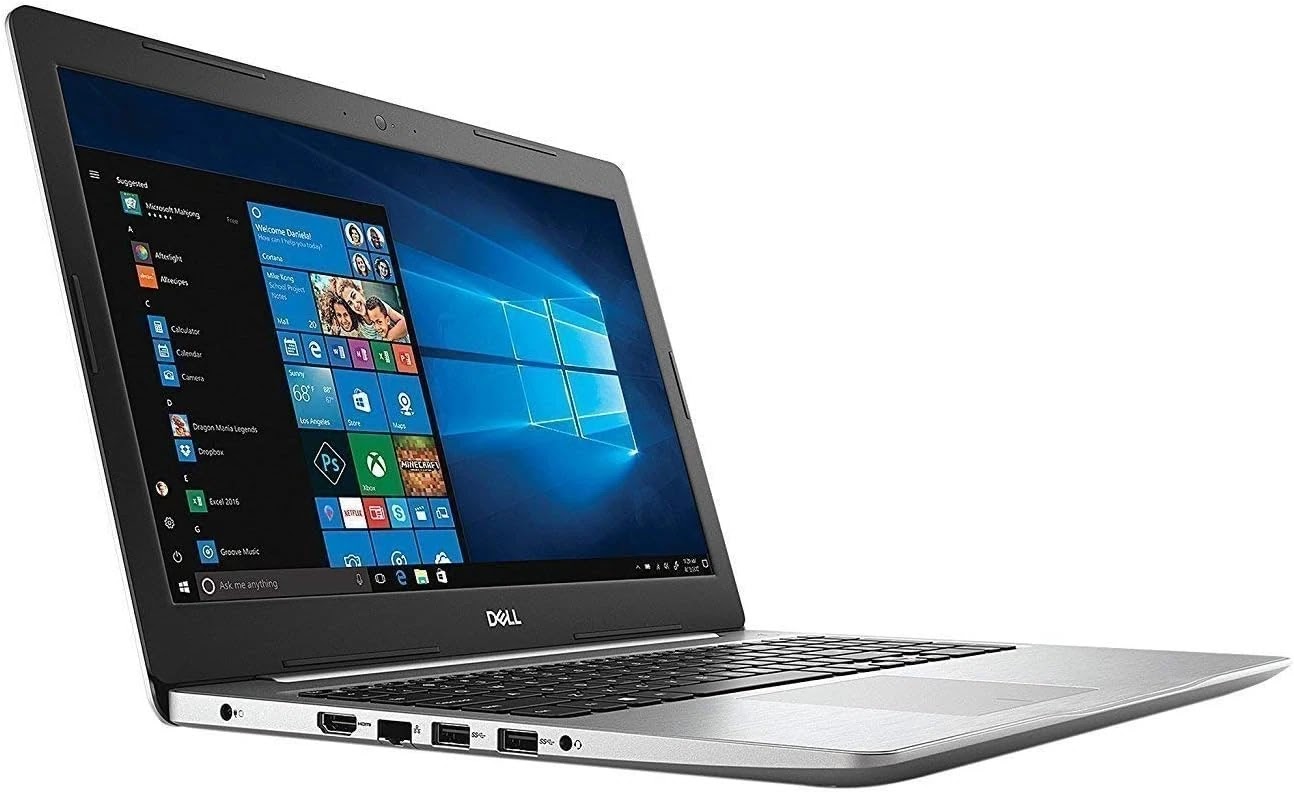
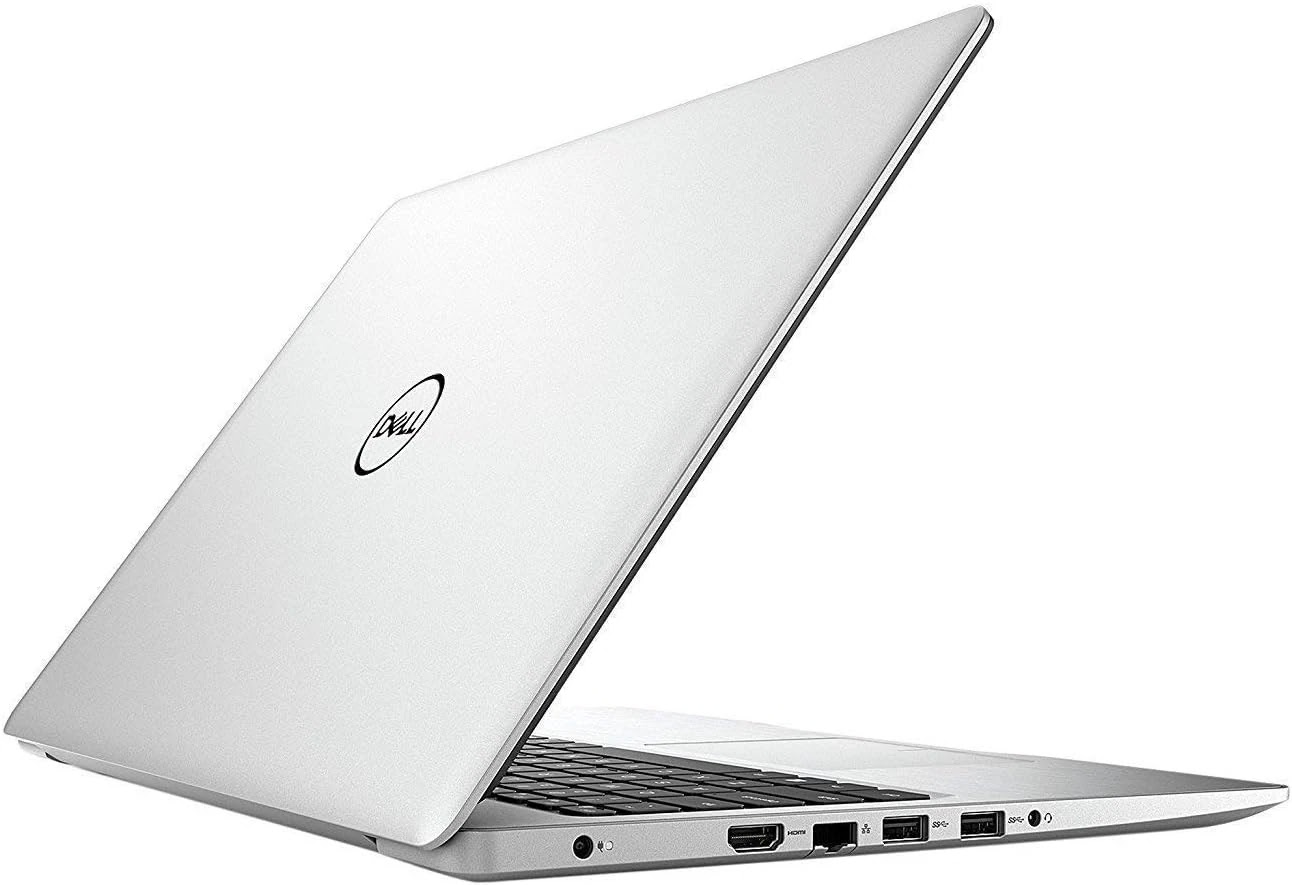
4. 2018 Dell Inspiron 15 5000

The 2018 Dell Inspiron 15 5000 is an economical choice that still delivers significant power for 3D printing and rendering tasks. Its 15.6-inch Full HD touchscreen display and Intel Core i5-8250U Quad-Core processor offer sufficient performance for design work. Backed by 8GB DDR4 RAM and a 1TB HDD, it supports multitasking and storage.

Key Specifications:

Best Laptop For 3D Printing – 10 Laptops For 3D Rendering In 2023
  • Dell Inspiron 15
  • 15.6-inch Full HD Touchscreen Backlit Keyboard Laptop PC
  • Intel Core i5-8250U Quad-Core processor
  • 8GB DDR4 RAM
  • 1TB HDD
  • Bluetooth 4.2
  • WiFi
  • Windows 10 Home Edition
Best Laptop For 3D Printing – 10 Laptops For 3D Rendering In 2023

Pros:

  • Cost-effective option with suitable performance for rendering and design tasks.
  • Spacious Full HD touchscreen for comfortable interaction.
  • Adequate storage for a budget-friendly laptop.

Cons:

  • Hardware slightly outdated compared to newer models.

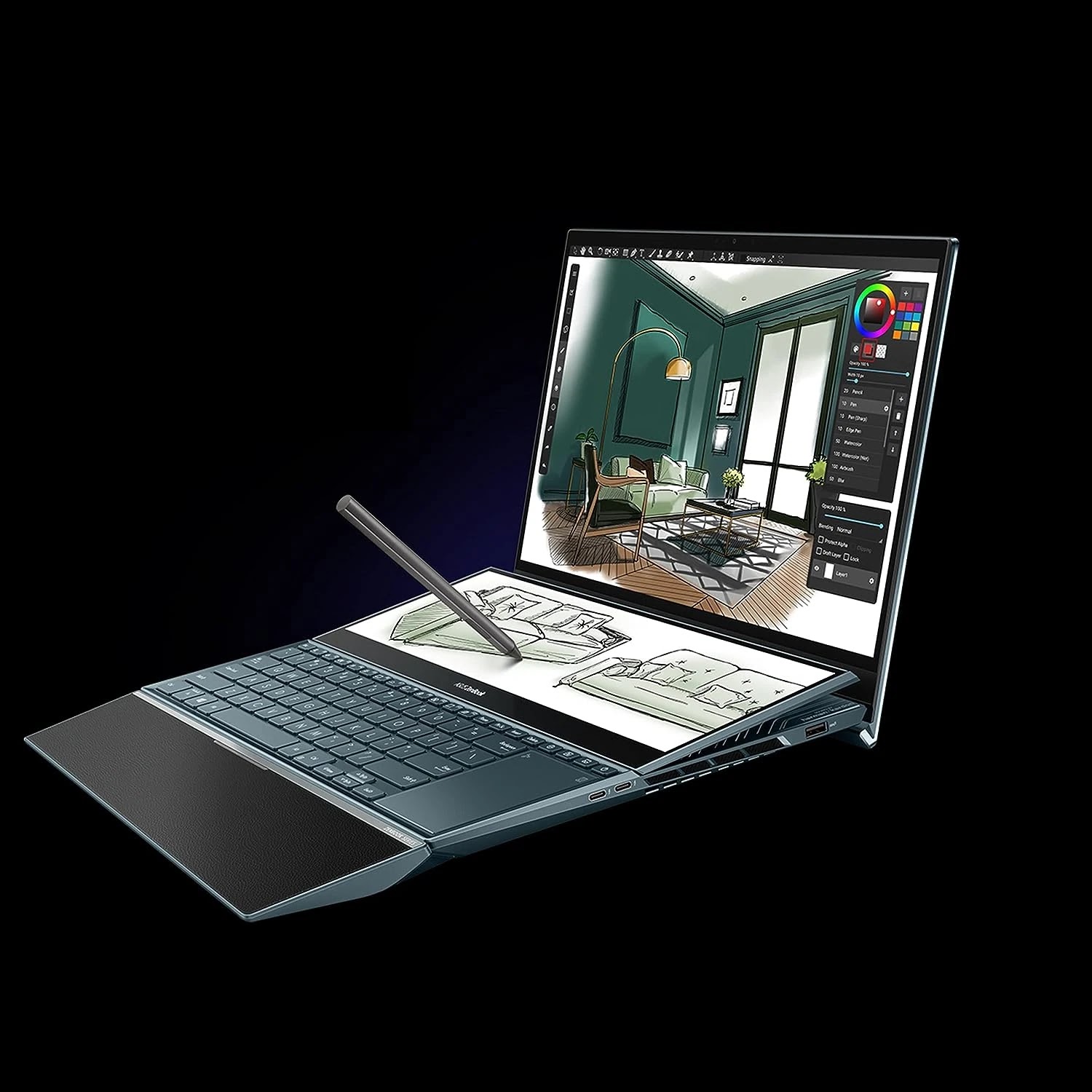
5. Asus ZenBook Pro Duo

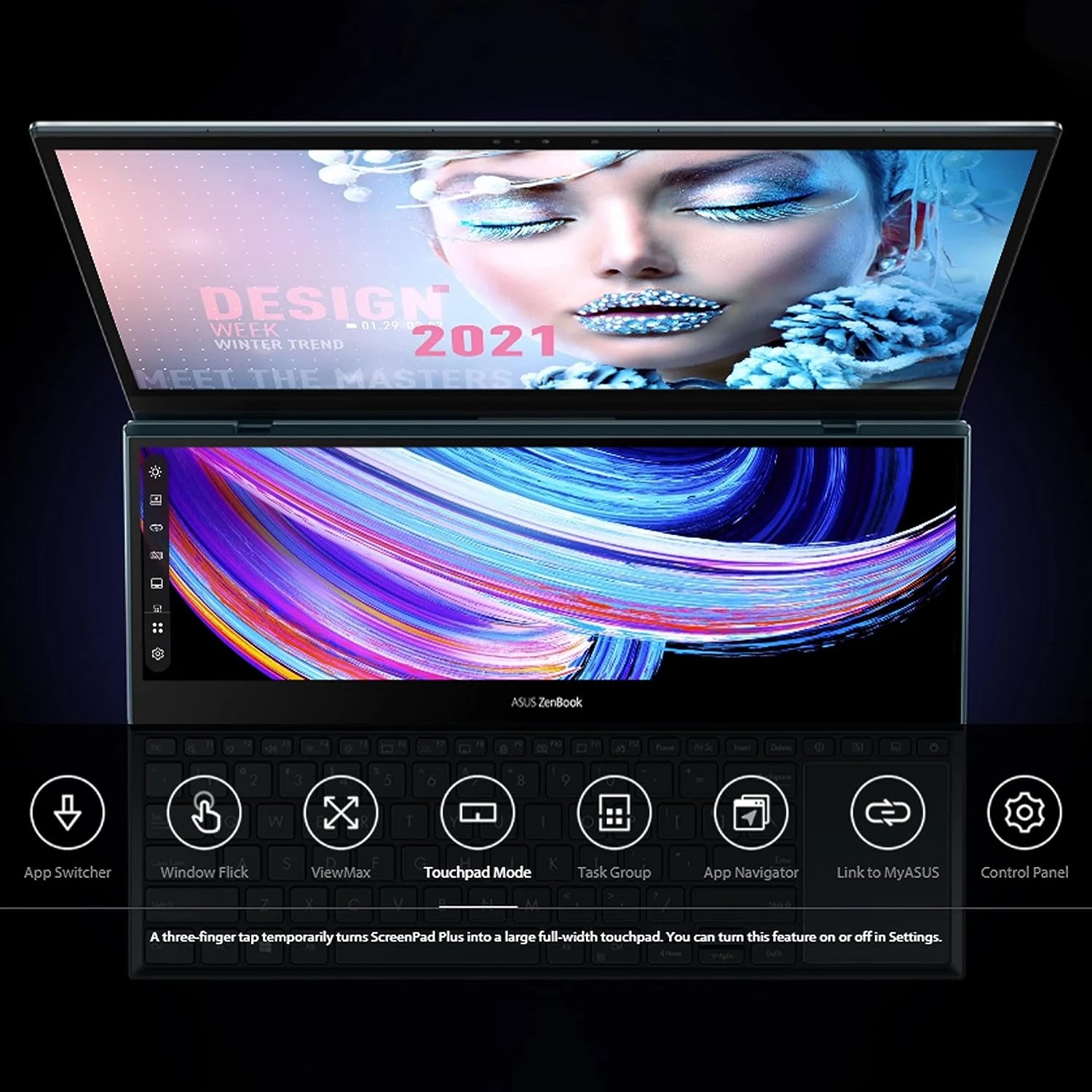
The Asus ZenBook Pro Duo stands as a formidable force, ideal for both gaming and rendering tasks. Its 15.6” OLED UHD Touch display, driven by the Intel Core i9-11900H processor, delivers exceptional visuals and processing capabilities. Boasting 32GB of RAM and a 1TB SSD, it offers ample memory and storage for extensive projects. Moreover, the ScreenPad™ Plus adds versatility to your workflow.

Key Specifications:

Best Laptop For 3D Printing – 10 Laptops For 3D Rendering In 2023
  • ASUS ZenBook Pro Duo
  • 15.6” OLED UHD Touch Display
  • Intel Core i9-11900H processor
  • 32GB RAM
  • 1TB SSD
  • NVIDIA GeForce RTX 3060 GPU
  • ScreenPad™ Plus
  • Windows 11 Pro Edition
Best Laptop For 3D Printing – 10 Laptops For 3D Rendering In 2023

Pros:

  • High-powered hardware, including an i9 processor and RTX 3060 GPU.
  • Innovative ScreenPad™ Plus for improved workflow and multitasking.
  • Immersive UHD Touch display for stunning visuals.

Cons:

  • Relatively premium pricing due to its feature-rich design.

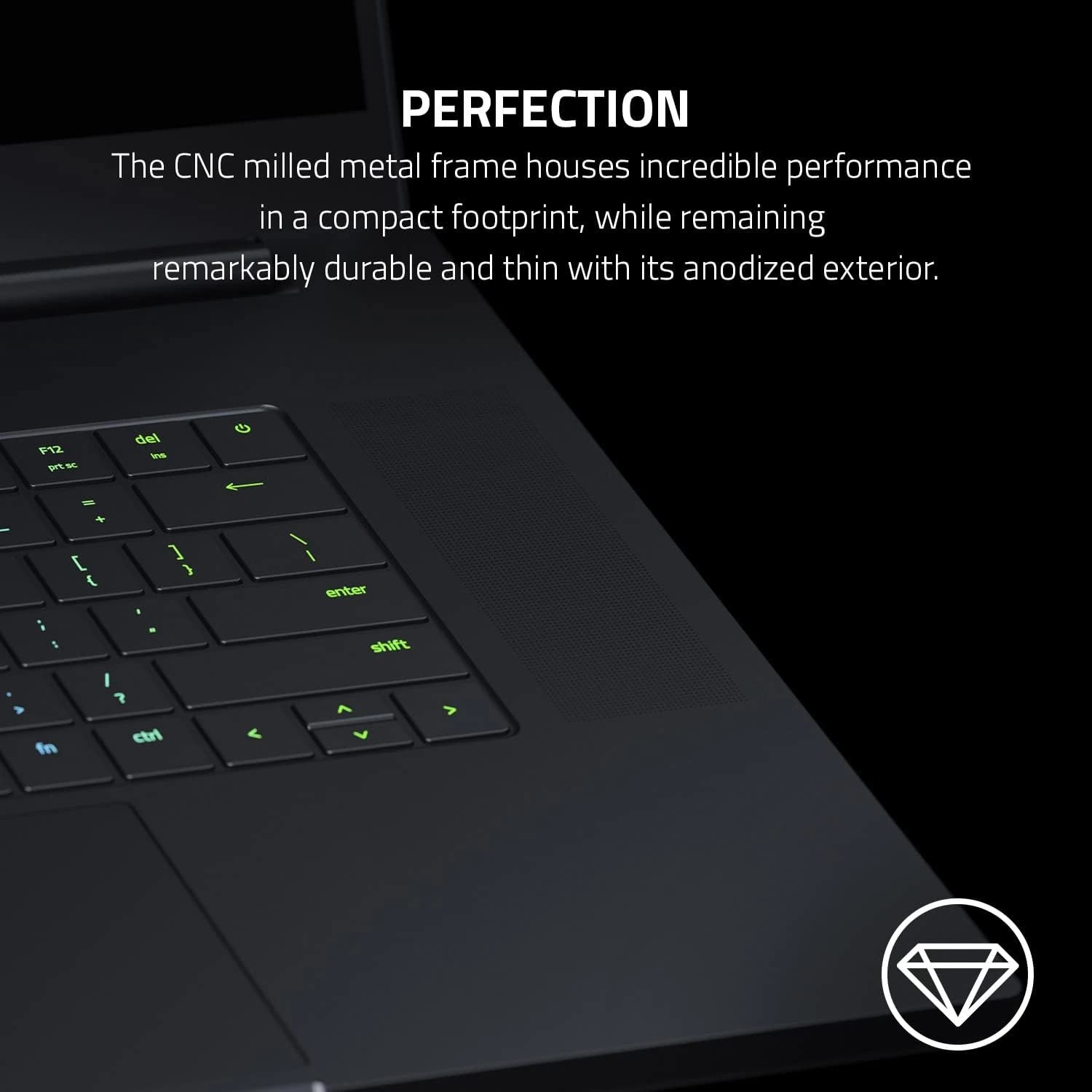
6. Razer Blade 15

The Razer Blade 15 stands out as a versatile gaming laptop that also excels as a professional-grade workstation, making it ideal for rendering tasks. It boasts impressive hardware, including an NVIDIA GeForce RTX 3070 Ti GPU and a 12th Gen Intel 14-Core i7 CPU, ensuring exceptional graphics and processing power. The 15.6-inch QHD 240Hz display delivers fluid visuals, complemented by 16GB of DDR5 RAM for seamless multitasking.

Specifications:
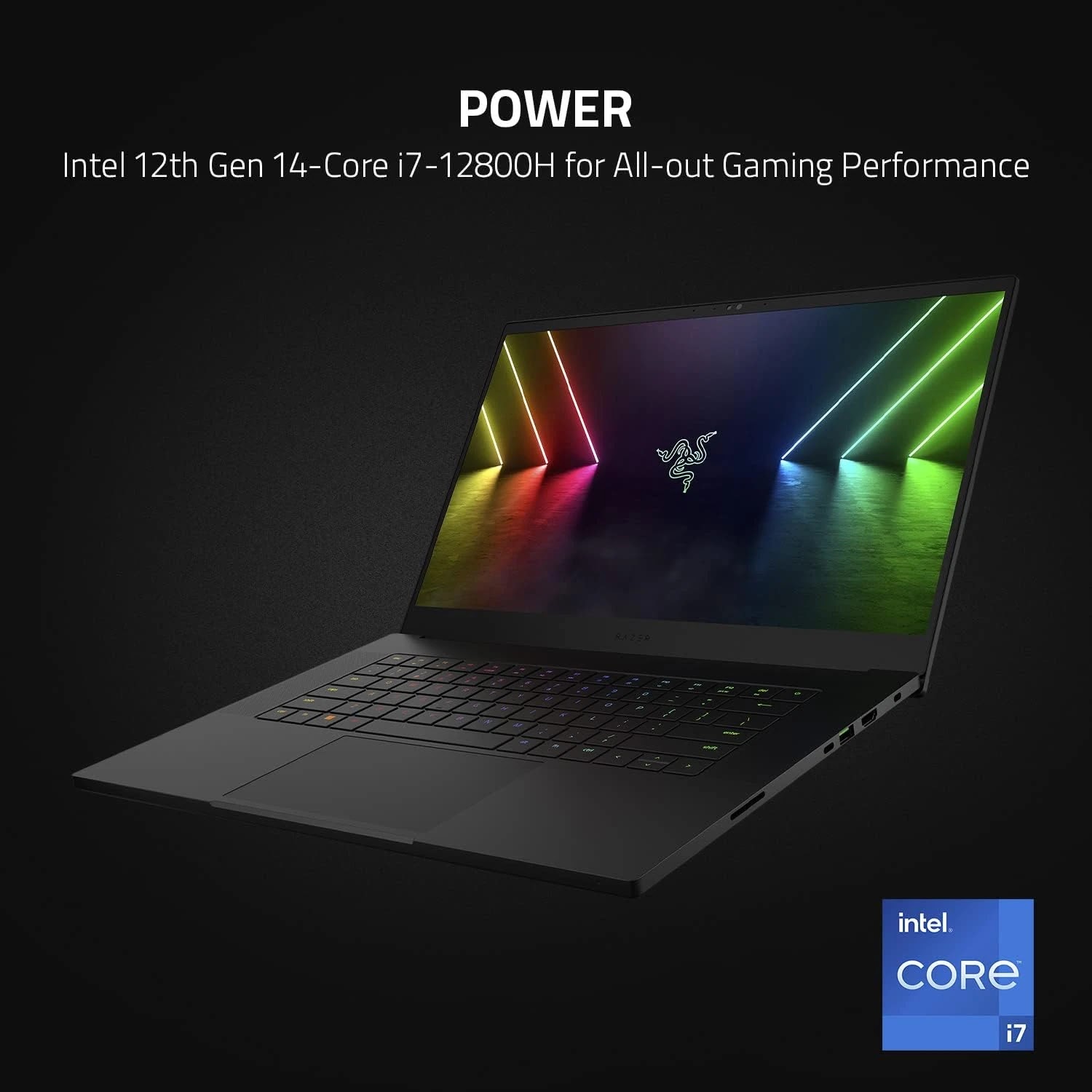
Best Laptop For 3D Printing
  • NVIDIA GeForce RTX 3070 Ti GPU
  • 12th Gen Intel 14-Core i7 CPU
  • 15.6-inch QHD 240Hz display
  • 16GB DDR5 RAM
  • 1TB PCIe SSD
  • Windows 11
  • CNC Aluminum Chassis
  • Chroma RGB Backlit Keyboard
  • Thunderbolt 4
Best Laptop For 3D Printing

Pros:

  • Outstanding performance with the RTX 3070 Ti GPU and i7 CPU.
  • High-quality QHD 240Hz display for stunning visuals.
  • Sleek and lightweight design for easy portability.

Cons:

  • Comes with a premium price tag compared to other options.”

What Are Some Factors To Consider When Choosing The Best Laptop For 3D Printing?

We are well aware that laptops are continuously evolving in terms of power and capabilities.
However, when dealing with specialized tasks such as gaming or video editing, you require a computer that can meet those specific demands.
The same principle applies to individuals in search of the finest laptops for 3D printing.
You must ensure that your laptop’s specifications align with the requirements of the 3D modeling software you intend to use.
When it comes to selecting the ideal laptop to suit your needs, there are several key factors to take into account.
While the plethora of PC hardware terminologies might seem daunting, the process is, in fact, quite straightforward.
In this guide, we will discuss the laptops mentioned above and provide assistance in simplifying your decision-making process.

Life-Like Printouts

The initial factor to ponder is the quality of your 3D printouts.
For those aiming to attain the utmost realism and lifelike appearance in their prints, it is imperative to have a laptop that excels in high-resolution printing.
Many of the top-performing laptops designed for this purpose boast superior display resolutions.
Opting for a higher resolution equates to observing your prints in finer detail, making it simpler to detect any imperfections.
Furthermore, you should take into account the type of 3D printer you plan to use.
To achieve the pinnacle of print quality, your laptop must be capable of handling large format printers.
These printers can produce prints at elevated resolutions, resulting in outputs of exceptional quality.

Ease of Use

Another crucial aspect to take into account when selecting a laptop for 3D printing is its ease of use.
For individuals new to the world of 3D printing, it’s essential to opt for a laptop that simplifies the setup and operation process.
Certain laptops come equipped with pre-installed software, streamlining the initial setup and facilitating a smooth start.
Alternatively, some laptops provide trial versions of renowned 3D printing software, allowing you to explore various features before committing to a purchase.
In essence, it’s wise to seek a laptop that combines user-friendliness with the necessary features to kickstart your 3D printing journey.

Affordability

Undoubtedly, one of the paramount aspects for your contemplation is the price.
Regrettably, as laptops become more budget-friendly, their capabilities tend to diminish.
Should you seek a top-tier laptop capable of addressing all your 3D printing requirements, it’s prudent to anticipate a slightly higher investment.
Nevertheless, it’s worth noting that there exists a range of commendable laptop choices spanning various price brackets, catering to diverse budget preferences.

What Are The Recommended System Requirements For 3D Modeling?

Here are the suggested system prerequisites for running the most widely used CAD software:

RAM and Processor

For a 3D printing computer, you should aim for a minimum of 16GB of RAM and an Intel Core i-series processor.
If you anticipate dealing with larger files or engaging in resource-intensive rendering tasks, you may find 32GB of RAM or more beneficial.
Keep in mind that a higher number within the i-series, such as Core i7, indicates superior processor performance.

Video Card

To meet the requirements, ensure your laptop features a dedicated graphics card with at least 512MB of VRAM. Gaming laptops typically meet this criterion, thanks to their high-end GPUs.
Nonetheless, some Ultrabooks and business-class laptops might require a video card upgrade to meet these specifications.

Storage

To accommodate your CAD files and renderings effectively, a rapid storage drive is essential.
Opting for a solid-state drive (SSD) is the optimal choice, as it provides the swiftest read/write speeds.
Conversely, hard disk drives (HDDs) are notably slower and can impede your system’s performance, especially when dealing with extensive rendering tasks.

Intel Core Processors

Intel Core i-series processors, combined with potent discrete graphics cards and premium display options, render gaming laptops exceptionally suitable for numerous creative professionals, including those engaged in three-dimensional printing.
These laptops boast the innate processing capability required to handle intricate models and imagery, and they are also outfitted with top-tier GPUs.

Graphics Requirements:

– A processor with a minimum of four cores.
– At least 16GB of RAM.
– A graphics card with a minimum of 512MB of VRAM.
– A 64-bit operating system.
– Adequate storage capacity to accommodate large file sizes.
These prerequisites may vary based on the specific software you utilize and the complexity of your design tasks.
For instance, when handling substantial assemblies or conducting simulations, you might necessitate more RAM or a swifter processor.
Conversely, intensive rendering work demands a potent graphics card.
It’s paramount to assess the software you intend to use and the demands of your projects to ensure your hardware aligns with your requirements.

Why Are Gaming Laptops Great for 3D Modeling and Rendering?

Gaming laptops possess several qualities that render them suitable for creative endeavors, such as graphic design, 3D printing, and video editing.
Firstly, they frequently feature robust processors and GPUs capable of managing resource-intensive tasks like rendering and video encoding.
Additionally, gaming laptops often boast expansive displays and top-notch speakers, enhancing the viewing experience for movies and TV shows.
Surprisingly, gaming laptops are also well-suited for three-dimensional (3D) printing, thanks to their formidable hardware and generous screen real estate.

FAQs:

1. Which is the essential feature to look at in a laptop for 3D modeling?

The paramount aspect to prioritize when selecting a laptop for modeling lies in its graphics processing unit (GPU).
A superior GPU equates to enhanced performance in handling rendering and other graphics-intensive endeavors.
Additionally, crucial considerations encompass the processing speed of the processor, the quantity of RAM available, and the storage capacity.
However, it’s worth noting that the specific laptop requirements may vary based on the type and size of the 3D files in use.
For instance, smaller STL files demand fewer 3D printer laptop specifications, and most laptops are adept at managing lower-resolution files.

2. What is the desired RAM value for indulging in mid-range and high-end 3D modeling?

For demanding applications, it’s optimal to opt for a laptop equipped with 16GB of RAM.
A high-end laptop not only enables you to work with more intricate models but also accommodates larger textures seamlessly.
In cases of moderate usage, a RAM range of 12-16GB should be adequate, with the specific requirement influenced by the scale and intricacy of your project models.

3. Do You Need A Computer For 3D Printing?

Not necessarily. In many cases, most 3D printers come equipped with an SD card reader, allowing you to directly read and print files from an SD card.

4. Can you use a gaming notebook for 3D Modeling?

The response varies depending on the specific gaming notebook in question. 
Certain gaming notebooks are proficient at managing rendering and modeling tasks, while others might encounter difficulties.
Therefore, the determining factor lies in the specifications of the individual laptop.

5. What is the difference between NVIDIA GeForce and NVIDIA Quadro GPUs?

GeForce GPUs excel in general gaming and consumer applications, boasting a higher core count and clock speeds. This makes them a superior choice for demanding tasks like gaming and video editing.
Conversely, Quadro GPUs are meticulously tailored for workstation applications demanding precision and peak performance, such as CAD or graphic design. Consequently, they offer greater memory capacity and superior visual quality compared to GeForce GPUs.

6.Which processor is best for 3D modeling?

For optimal performance in 3D modeling and rendering, it’s advisable to seek a computer equipped with either an Intel Core i7 or i9 processor or an AMD Ryzen processor. These processors boast multiple cores, adept at managing the intricate calculations essential for such tasks.

7. Do you need a graphics card for 3D modeling?

Graphics processing units (GPUs) hold paramount importance in 3D rendering and should rank high on your list of priorities. Without a dedicated graphics card, progress can be severely hindered. Various methods exist for assessing graphics cards, yet presently, one of the industry benchmarks remains the NVIDIA GTX series.

8. What is the best technology for 3D printing

Direct Metal Laser Sintering (DMLS) stands as a cutting-edge technology, harnessing the might of a potent laser to fuse metals and alloys on a minute scale within 3D printing. DMLS primarily finds its footing in crafting intricate metal components. Remarkably, immediately post-printing, these parts exhibit full functionality, characterized by resilience to heat, formidable strength, and impressive durability.

9. What is the most reliable laptop brand 2023?

Evaluating the top 10 dependable laptop brands in 2023, considering their respective strengths and why they excel in their designated niches:
1. Asus: Versatile Performance.
2. Razer: Gaming Enthusiasts’ Paradise.
3. Acer: Premier Choice for Chromebooks.
4. Lenovo: Affordable with Impressive Battery Life.
5. Dell: Pinnacle of Professional Laptops.
6. MSI: Gaming Excellence Personified.
7. Microsoft: The Epitome of 2-in-1 Laptops.
8. Alienware: Unparalleled Powerhouse for Hardcore Gaming and Design.

10.  What is the fastest Intel laptop processor 2023?

The pinnacle of Intel’s offerings is the Core i9-13980HX processor, featuring a substantial 24 cores, a groundbreaking achievement for laptops. This powerful chip comprises eight high-performance cores tailored for demanding tasks such as gaming and an additional 14 efficiency cores designed to handle everyday activities like web browsing.

In summary, 

we’ve delved into an impressive lineup of high-quality laptops, all contenders for the coveted title of the best choice for 3D printing and rendering. From the potent Acer Predator Helios 300 to the innovative Asus ZenBook Pro Duo, these laptops offer a diverse range of features to cater to various requirements and budgets.
For those in pursuit of top-tier performance, the Acer Predator Helios 300 shines bright with its Intel i7 processor, NVIDIA GeForce RTX 2060 GPU, and a stunning 15.6″ Full HD 144Hz display. It’s a worthy investment for serious gamers and creative professionals alike.
Conversely, the Acer Nitro 5 and Dell Inspiron 15 5000 present budget-friendly options that don’t skimp on essential features. With reliable performance and generous storage, they cater to both casual users and aspiring designers seeking value for their money.
For those prioritizing versatility and innovation, the Asus ZenBook Pro Duo takes the spotlight with its dual-screen setup and high-end specifications, ensuring a seamless multitasking experience that elevates your creative workflow.
Ultimately, the choice of the “Best Laptop for 3D Printing” hinges on your unique needs and preferences. Whether you’re an avid gamer, a 3D rendering expert, or a creative enthusiast, the laptops in this guide are ready to support your journey.
As you embark on your quest to find the perfect laptop, remember to consider the crucial factors that align with your aspirations. May this guide serve as a valuable companion in navigating the expansive sea of options. Wishing you a productive and enjoyable 3D printing and rendering experience!

Để lại một bình luận

Email của bạn sẽ không được hiển thị công khai. Các trường bắt buộc được đánh dấu *